Resume Summary vs Objective: Which One Should You Use in 2026?
Most people get this wrong. Here's the difference between a resume summary and an objective statement — and exactly when to use each one.
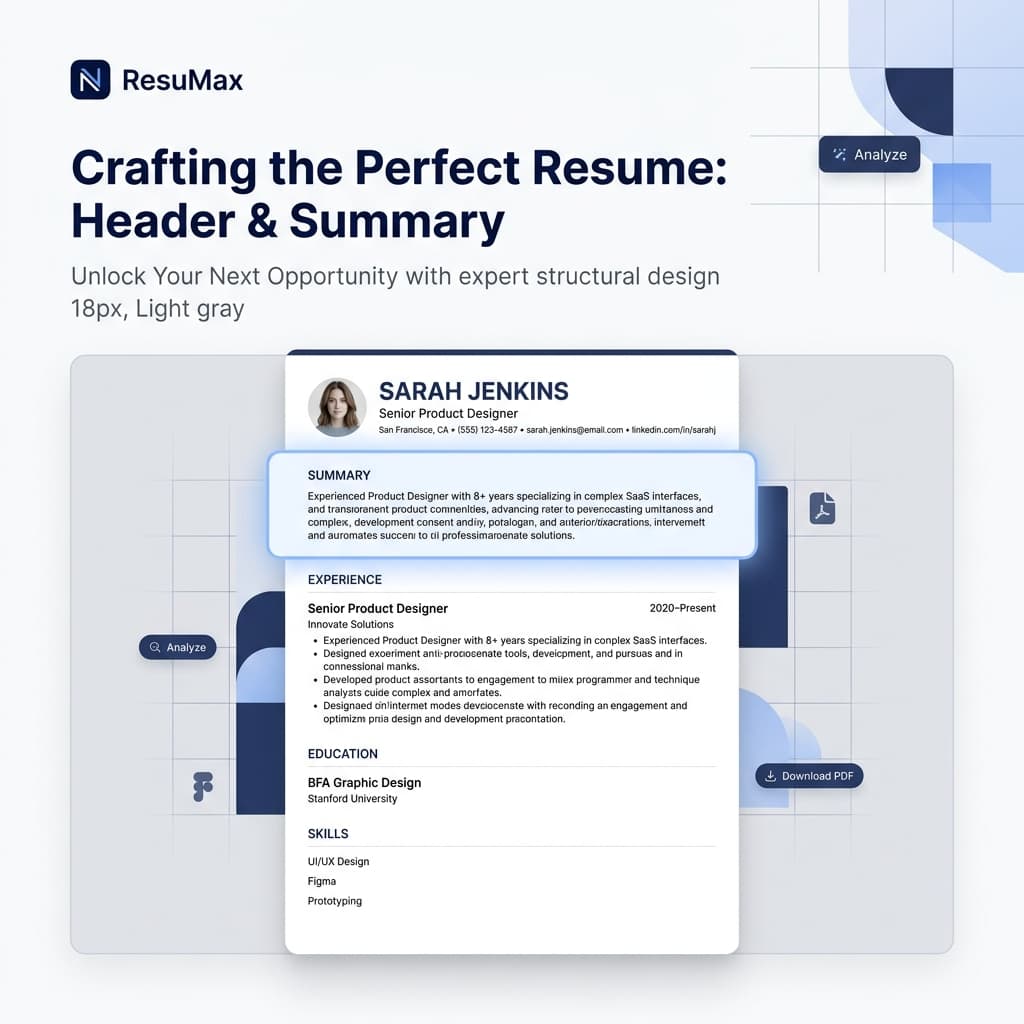
The top section of your resume — right below your name and contact info — is prime real estate. What you put there can determine whether a recruiter spends 10 seconds on your resume or 2 minutes. Here's how to get it right.
What is a Resume Summary?
A resume summary (also called a professional summary or profile) is a short 2–4 sentence paragraph that showcases your experience, key skills, and biggest accomplishments. Think of it as your "elevator pitch" for the recruiter.
Example Resume Summary:
"Results-driven Digital Marketing Manager with 6 years of experience growing B2B SaaS companies. Specialized in SEO and paid social campaigns, generating over $2M in pipeline revenue. Looking to bring data-driven growth strategies to a fast-scaling tech company."
What is a Resume Objective?
A resume objective focuses on what you want from the employer, not what you bring to them. It was standard practice in the 1990s and early 2000s but has largely fallen out of fashion.
Example Resume Objective (outdated style):
"Seeking a marketing position that allows me to grow my skills and advance my career."
Notice the problem? That statement tells the employer nothing useful. It's all about what you want, not what you offer.
Which One Should You Use?
Use a Resume Summary If:
- ✅ You have 1+ years of relevant work experience
- ✅ You're applying for a role in the same field you've worked in before
- ✅ You have measurable achievements to highlight
- ✅ You want to immediately establish your value to the recruiter
Use a Resume Objective If:
- ✅ You're a recent graduate with no work experience
- ✅ You're switching industries and need to explain the transition
- ✅ You're re-entering the workforce after a long gap
How to Write a Killer Resume Summary in 3 Steps
Step 1: Start with your title and years of experience
"Senior Software Engineer with 8 years of experience..."
Step 2: Add your most impressive skill or achievement
"...specializing in cloud architecture and microservices, having led the migration of a monolithic app to AWS that reduced infrastructure costs by 40%..."
Step 3: State what you're looking for next
"...now seeking a principal engineering role at a high-growth fintech company."
Common Mistakes to Avoid
- Using clichés: "Hard-working team player" means nothing. Use specific examples.
- Writing in first person: Don't start with "I". Start with your title or a strong adjective.
- Making it too long: Keep it to 3–4 sentences maximum.
- Being too generic: Tailor your summary for each job application.
Get AI-generated resume summaries instantly
Our Free Resume Builder uses AI to generate 3 professional summary options based on your job title — in seconds. Try it now →
Frequently Asked Questions
What is a resume summary?
A resume summary is a 2-4 sentence paragraph at the top of your resume that highlights your most impressive professional achievements, skills, and career goals. It's designed for candidates who have relevant experience to show.
What is a resume objective statement?
A resume objective statement describes what you're looking for in a job, rather than what you offer. It's typically used by career changers or students with very little experience.
Should I use a resume summary or objective in 2026?
For most job seekers with any work experience, a resume summary is stronger. Objective statements are only useful for entry-level applicants or career changers who need to explain why they're switching industries.
Ready to land your dream job?
Put these tips into practice immediately. Use our free, ATS-friendly resume builder and professionally designed templates to stand out.