Resume Tips for Fresh Graduates With No Experience
Don't have 5 years of experience for an 'entry-level' job? Learn how to leverage your degree, projects, and extracurriculars to build a winning resume.
It is the classic catch-22 of entering the workforce: You can't get a job without experience, but you can't get experience without a job. Fortunately, recruiters hiring for entry-level roles do not expect you to have a 5-year corporate work history. They are looking for potential, coachability, and foundational skills.
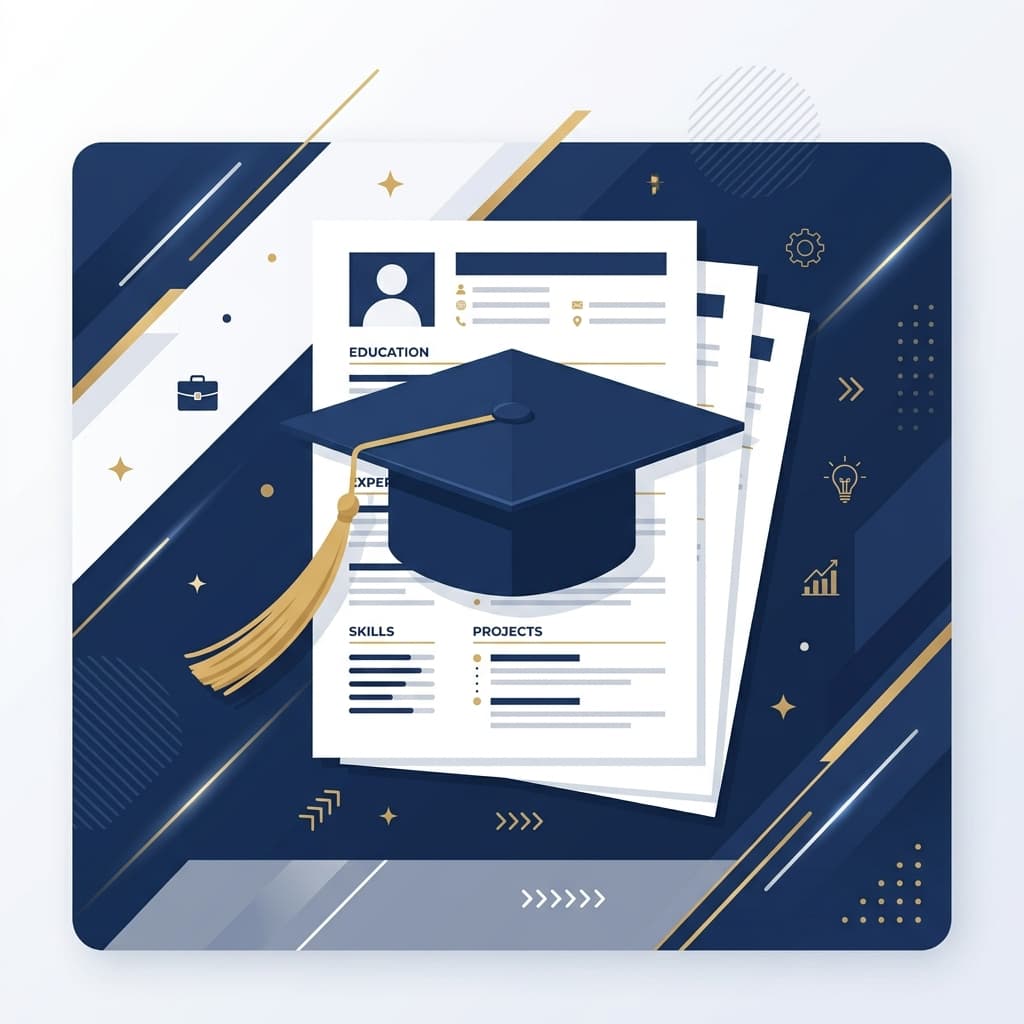
1. Move Education to the Top
For professionals with 10 years of experience, education belongs at the bottom of the resume. For you, it belongs at the top.
Make sure to include your university name, degree, graduation date (or expected date), and major. If your GPA is above a 3.5, list it. If it is lower, simply leave it off—most employers won't ask. You can also list relevant coursework if it directly applies to the job you are targeting.
2. Treat Academic Projects Like Jobs
You spent four years writing extensive papers, conducting research, presenting in front of peers, and building capstone projects. This is highly relevant experience. Create a "Relevant Projects" section and format it just like a work history section.
Example (Marketing Major):
Strategic Marketing Capstone Project | University Name
- Designed and distributed a consumer behavior survey to 500+ participants.
- Analyzed data using Excel and SPSS to identify key demographic trends.
- Presented a 20-page strategic marketing proposal to university faculty.
3. Don't Discount Extracurriculars
Were you the treasurer of a student club? Did you organize a campus charity event? Did you write for the school newspaper? These roles demonstrate vital soft skills: leadership, event planning, budget management, and teamwork.
Employers love candidates who show initiative outside of mandatory coursework.
4. Highlight Part-Time and Summer Jobs
You might think your part-time job as a barista or retail cashier is irrelevant to a corporate tech job. While the daily tasks differ, the transferable skills are highly relevant. Instead of saying "Made coffee," frame it around customer service, reliability, and handling high-pressure environments.
Example:
- Managed high-volume customer flow during peak morning hours, ensuring 100% order accuracy.
- Trained 3 new employees on point-of-sale systems and store opening procedures.
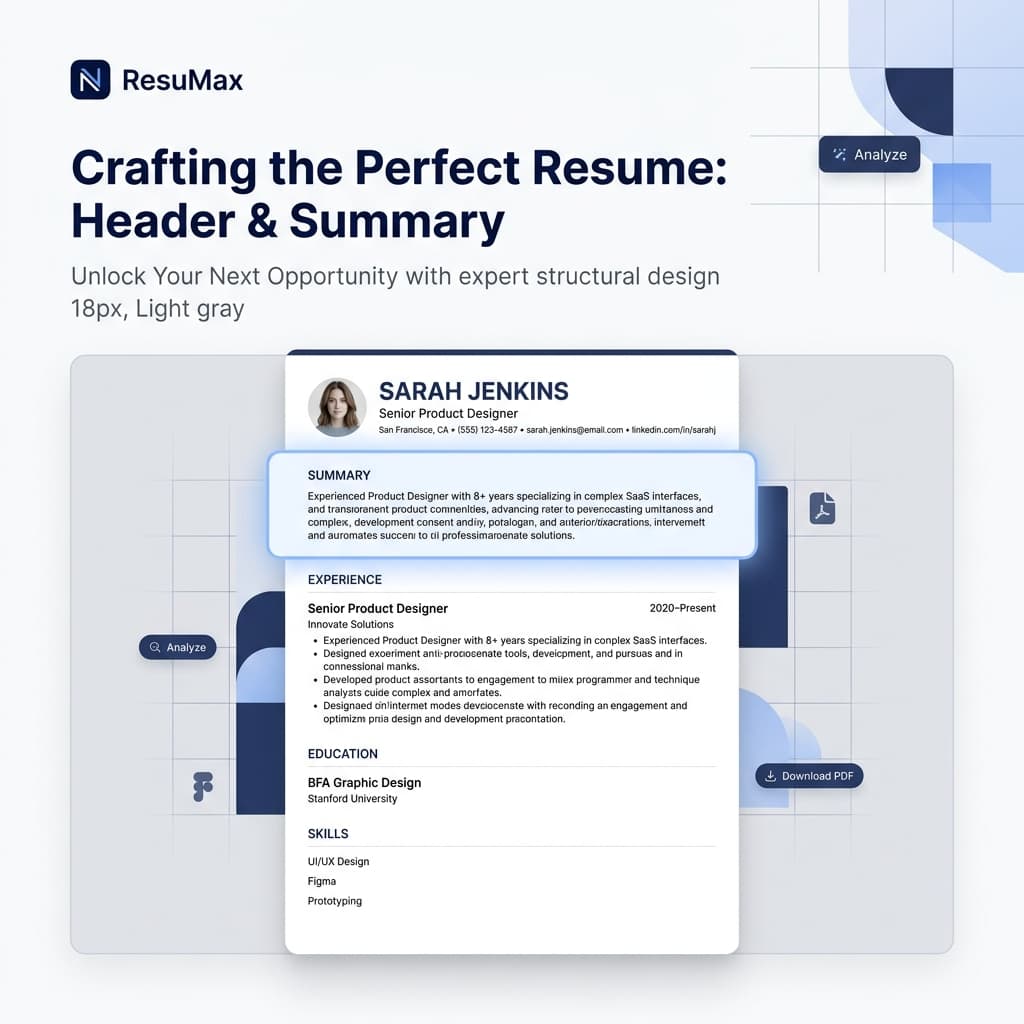
5. Write a Skills-Focused Summary
Since you don't have a long work history to summarize, focus your summary on your academic background, your core skills, and your enthusiasm for the industry.
"Highly adaptable Finance graduate with a 3.8 GPA and strong foundation in financial modeling and data analysis. Experienced in Excel and Tableau through extensive academic projects. Eager to bring strong analytical skills and a fast-learning mindset to an entry-level Financial Analyst role."
Conclusion
Stop apologizing for your lack of experience. You have years of rigorous academic training, up-to-date theoretical knowledge, and a hunger to prove yourself. Frame your academic career as your first full-time job, and recruiters will see your potential.
Frequently Asked Questions
Should I put my education at the top of my resume?
Yes. If you are a fresh graduate or current student, your education is your strongest asset. It should go at the very top of your resume, right under your summary.
Do class projects count as experience?
Absolutely. Capstone projects, research papers, and extensive lab work can be formatted exactly like professional jobs under a 'Relevant Academic Projects' section.
Ready to land your dream job?
Put these tips into practice immediately. Use our free, ATS-friendly resume builder and professionally designed templates to stand out.